







Introduction
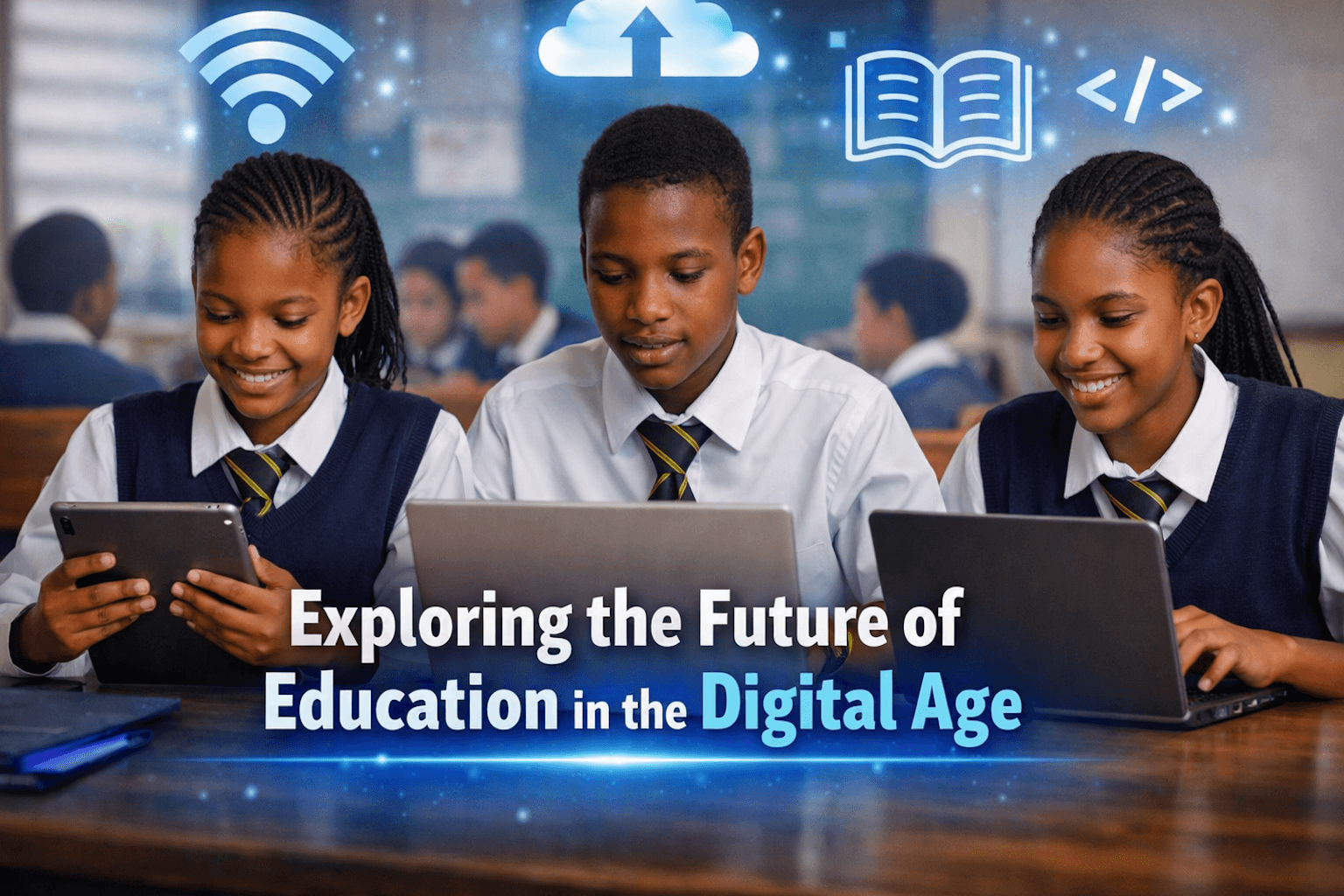
The world is changing faster than ever before, and education must evolve to keep pace. The digital age has transformed how we learn, teach, and connect. For Kenyan high schools, this transformation presents both challenges and opportunities—to prepare students not just for exams, but for a future defined by innovation, technology, and global collaboration. The classroom of tomorrow is already here, powered by digital tools, online learning, and data‑driven insights.
—
The Digital Revolution in Learning
Technology has redefined the boundaries of education. From interactive smartboards to virtual classrooms, students now have access to a world of knowledge beyond textbooks. Platforms like Google Classroom, Microsoft Teams, and e‑learning portals have made it possible for learners to collaborate, share ideas, and access resources anytime, anywhere.
In Kenya, the government’s Digital Literacy Programme (DLP) has equipped thousands of schools with tablets and digital content, ensuring that even rural learners can experience modern education. This initiative marks a significant step toward bridging the digital divide and empowering students with 21st‑century skills.
—
Benefits of Digital Education
- Personalized Learning: Technology allows students to learn at their own pace, adapting lessons to individual strengths and weaknesses.
- Global Connectivity: Learners can interact with peers and mentors worldwide, gaining exposure to diverse perspectives.
- Access to Resources: Online libraries, research databases, and educational videos make learning more dynamic and engaging.
- Skill Development: Students acquire digital literacy, coding, and problem‑solving skills essential for future careers.
- Environmental Impact: Digital learning reduces paper use and promotes sustainability.
—
Challenges and Opportunities
While digital education offers immense potential, it also brings challenges. Internet connectivity remains inconsistent in some regions, and not all schools have adequate infrastructure. Teachers must also adapt to new technologies and teaching methods.
However, these challenges are opportunities in disguise. Schools can partner with tech organizations, train educators in digital pedagogy, and encourage students to become digital innovators. The goal is not just to use technology—but to create with it.
—
The Role of Teachers in the Digital Age
Teachers remain the heart of education, even in a tech‑driven world. Their role is shifting from information providers to facilitators of learning. In digital classrooms, teachers guide students in critical thinking, ethical use of technology, and collaborative problem‑solving. Continuous professional development ensures educators stay ahead of emerging trends such as artificial intelligence, data analytics, and virtual reality in education.
—
Preparing Students for the Future
The future workforce will demand creativity, adaptability, and digital competence. Kenyan high schools must integrate coding, robotics, and digital entrepreneurship into their curricula. Students should be encouraged to explore research, innovation, and design thinking—skills that will empower them to thrive in global industries.
Schools can also establish innovation hubs where learners experiment with technology, develop apps, and solve community challenges. These spaces nurture curiosity and prepare students for careers in science, engineering, and digital media.
—
The Global Perspective
Across the world, education systems are embracing digital transformation. Countries like Finland and Singapore have integrated technology into every level of learning, emphasizing creativity and collaboration. Kenya is steadily joining this movement, with initiatives that promote STEM education, digital inclusion, and youth innovation.
By aligning with global trends, Kenyan schools can produce graduates who are not only academically strong but also globally competitive.
—
The Human Side of Digital Learning
Amid all the technology, education remains deeply human. Digital tools should enhance—not replace—the relationships between teachers and students. Emotional intelligence, empathy, and teamwork are as vital as coding and analytics. The best digital classrooms balance innovation with connection, ensuring that learners grow intellectually and socially.
—
Conclusion
The future of education in the digital age is bright, dynamic, and full of promise. For Kenyan high schools, embracing technology means unlocking new ways to teach, learn, and inspire. By combining digital innovation with strong values and critical thinking, schools can prepare students to lead in a world shaped by knowledge and creativity.
Education is no longer confined to four walls—it is a global journey powered by curiosity and technology. The digital age is not just the future of learning; it is the present, and Kenya’s students are ready to shape it.